
Your Body Knows Before Your Mind Does: Why Strength Training And Somatic Therapy Go Together
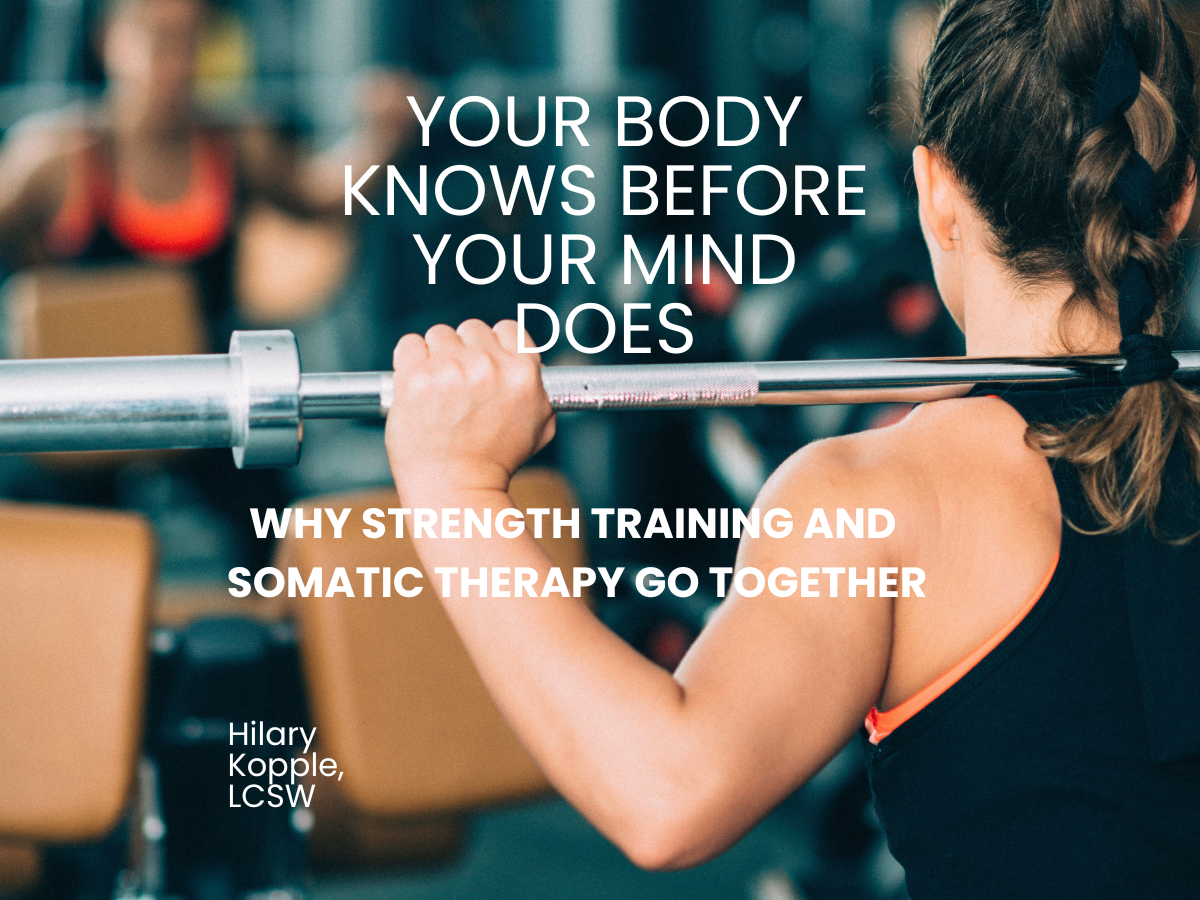
You can talk yourself out of a panic attack. You cannot always talk your nervous system out of one.
That gap, between what your mind understands and what your body still believes, is where many accomplished women get stuck. You know your anxiety is out of proportion to the situation. You know the meeting went fine. You know your husband isn't actually mad at you. And still your chest is tight, your jaw is clenched, and insight alone isn't fixing it.
This is the limit of thinking your way out of anxiety. Your nervous system doesn't respond to logic. It responds to experience.
Insight Is Not The Same As Regulation
Jessica isn't one person. She's a blend of women I've seen over the years, with the details changed, but you might recognize her anyway. She ran a team of twelve, managed her aging parents' care, and still made it to every school pickup. In session she could describe her anxiety with precision. She could not stop her hands from shaking before every performance review.
What changed things for her wasn't more insight. It was learning to notice what her body was doing in real time, not just after the fact. That is the core of somatic therapy, and it is also where movement can help. Movement doesn't replace therapy. It's another way into the same nervous system.
Uncomfortable Is Not The Same As Unsafe
Heather Gunn Rivera founded Grassroots Fitness Project on the Upper West Side 22 years ago, and she sees this connection every week in her Women's Strength program. Here is how she describes it:
“In Women's Strength we ask: Am I comfortable being uncomfortable? Can I be comfortable being uncomfortable? And eventually: I am comfortable being uncomfortable. Working with progressively heavier weight requires you to be present in your body, and it gives you a place to notice your patterns. Do I back away because something feels hard, or do I override my body and push through? Over time, we practice learning the difference between uncomfortable and unsafe, and building trust in our ability to stay present with hard things.”
That last line is most of what I hope clients take from somatic therapy. Many anxious people have one of two settings. They avoid anything that feels hard, or they bulldoze through it and pay later. Neither teaches the nervous system anything new.
Progressive overload, the gradual increase of weight over time, works because the body adapts to manageable stress. Regulation builds the same way. You don't grow tolerance for anxiety by avoiding what activates it, and you don't grow it by forcing your way through either. You build it in small doses, by staying present and finding out you come out the other side intact.
You Can Give 100 Percent Of 50 Percent
Heather has a phrase I love. She tells her clients to give 100 percent of whatever percent they walked in with that day. Came in at 50 percent? Give 100 percent of that 50.
For perfectionists, this is radical. Most of the women I see measure every day against their best day and call everything else failure. The idea that a low energy Tuesday still counts, and that you can show up fully at a smaller capacity, is something many of them have never been offered. Strength, as Heather puts it, isn't about constantly overriding yourself to prove what you can do.
A Barbell Doesn't Argue With You
There is something else strength training gives overthinkers: clean feedback. There's no story to interpret when the weight goes up. You lifted it or you didn't. For people who spend most of the day second guessing their emails, their parenting, and their tone in a meeting, that kind of certainty in the body can be a relief.
Heather calls strength training a coming back to the body. When the weight gets heavy you can't go through the motions. You have to be there. And sometimes what comes up isn't only physical. It can be fear, self doubt, or old stories about not being good enough.
That is exactly what somatic therapy helps you sort through.
Therapy Answers The Question Of Why
Movement can build regulation. It can't always explain why your system learned to stay on high alert in the first place. That part usually has a history, and therapy is where you make sense of it.
In my practice, somatic therapy helps you notice and stay with what your body is doing, CBT helps with the thoughts that pile on top, and IFS helps you understand the parts of you that learned to brace. Sometimes I use one, sometimes all three together.
If you recognize yourself in Jessica, in the gap between what you know and what your body still braces for, that is worth paying attention to. It often means anxiety has become physical, not just mental. You can learn more about somatic therapy in NYC, or start with what trauma therapy in NYC actually looks like for people who don't think they have trauma. Sessions are virtual across New York State, and you can reach out for a free consultation.
Rooted. Present. Fully yourself.
About Heather Gunn Rivera
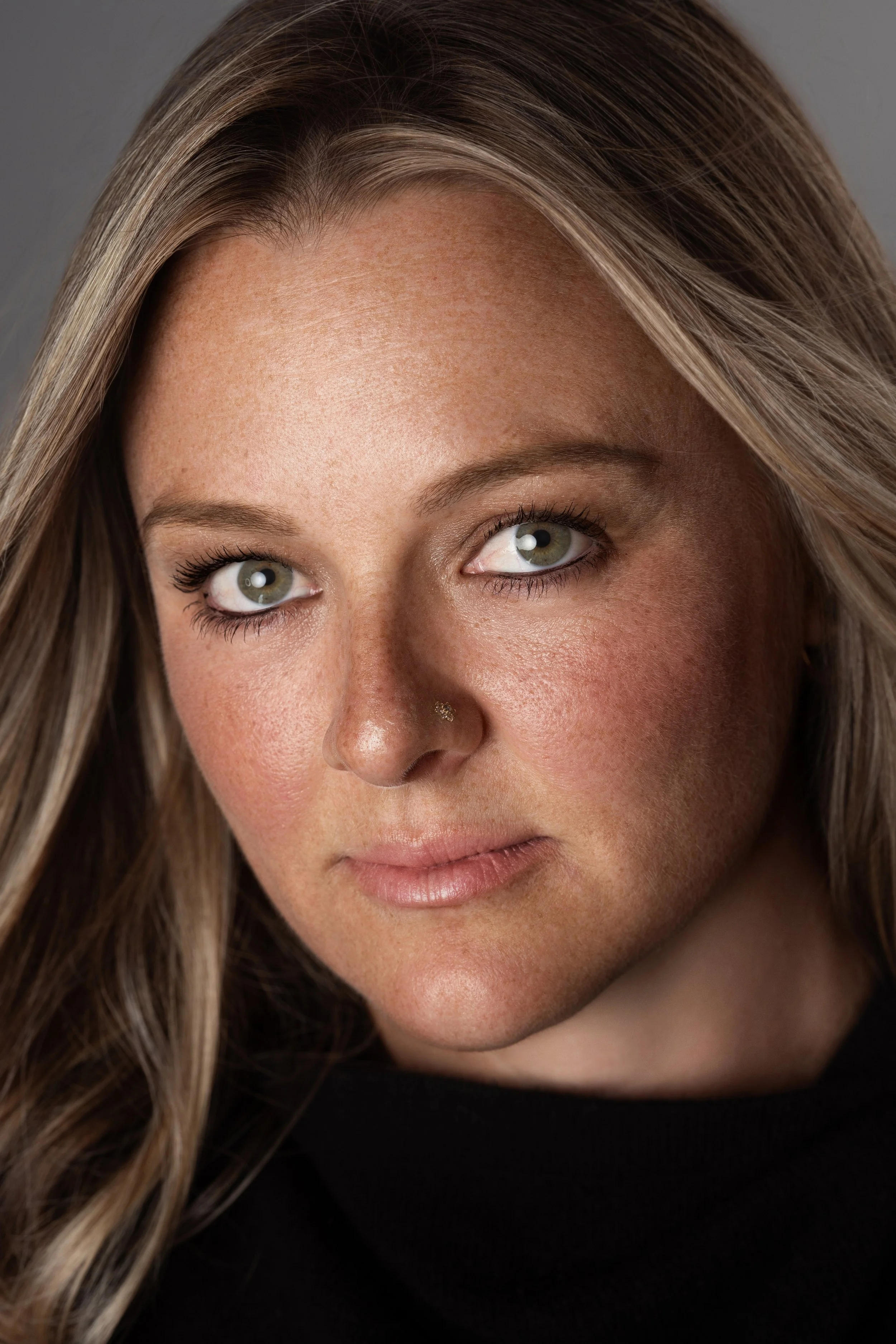
Heather Gunn Rivera is the founder of Grassroots Fitness Project, a strength and conditioning studio on the Upper West Side offering personal training, small group classes, and Women's Strength. In her words: At Women's Strength, we believe strength equals capability. When a woman feels capable, what she once didn't think was possible begins to feel possible. But getting stronger also requires vulnerability, and we do that in community, because Women's Strength was never meant to be just a workout.
Author Bio

Hilary Kopple, LCSW, is a therapist in New York City offering anxiety and trauma therapy for adults who have built good lives and still feel like something is missing. Her clients tend to overthink, overfunction, and feel tired of their own patterns, whether or not they can explain them. She integrates IFS, CBT, and somatic therapy into one approach that addresses thoughts, emotions, the body, and the deeper patterns underneath them all. Sessions are virtual across New York State. To learn more, visit her Home page or read about her background on her About page. Reach out to schedule a free consultation.